


EFAL
Ether Field Abstraction Layer
PROJECT 01 · QUANTUM SYSTEMS SOFTWARE
v0.2.0
Light Quantum Operating System
Quantum operating system project that treats the quantum computer as a real physical system, organized around four abstraction layers and complemented by The Light AI engine.
01
The core architecture is organized into EFAL, EMF, TLM and HIO: field abstraction, entangled memory, temporal contracts and state reconstruction.
02
Implemented drivers for Qblox, IonQ, ZuriQ, IBM Quantum and a local simulator.
03
The Python frontend communicates with the Rust kernel through PyO3 and includes integrations with Qiskit, Cirq and PennyLane.
04
The Light AI integrates transpilation optimization, entangled-pair demand forecasting and adaptive calibration.
05
The current README reports 35,000+ lines of code, 280+ tests, over 95% coverage, 8 Rust crates and 15+ Python modules.
ARCHITECTURE
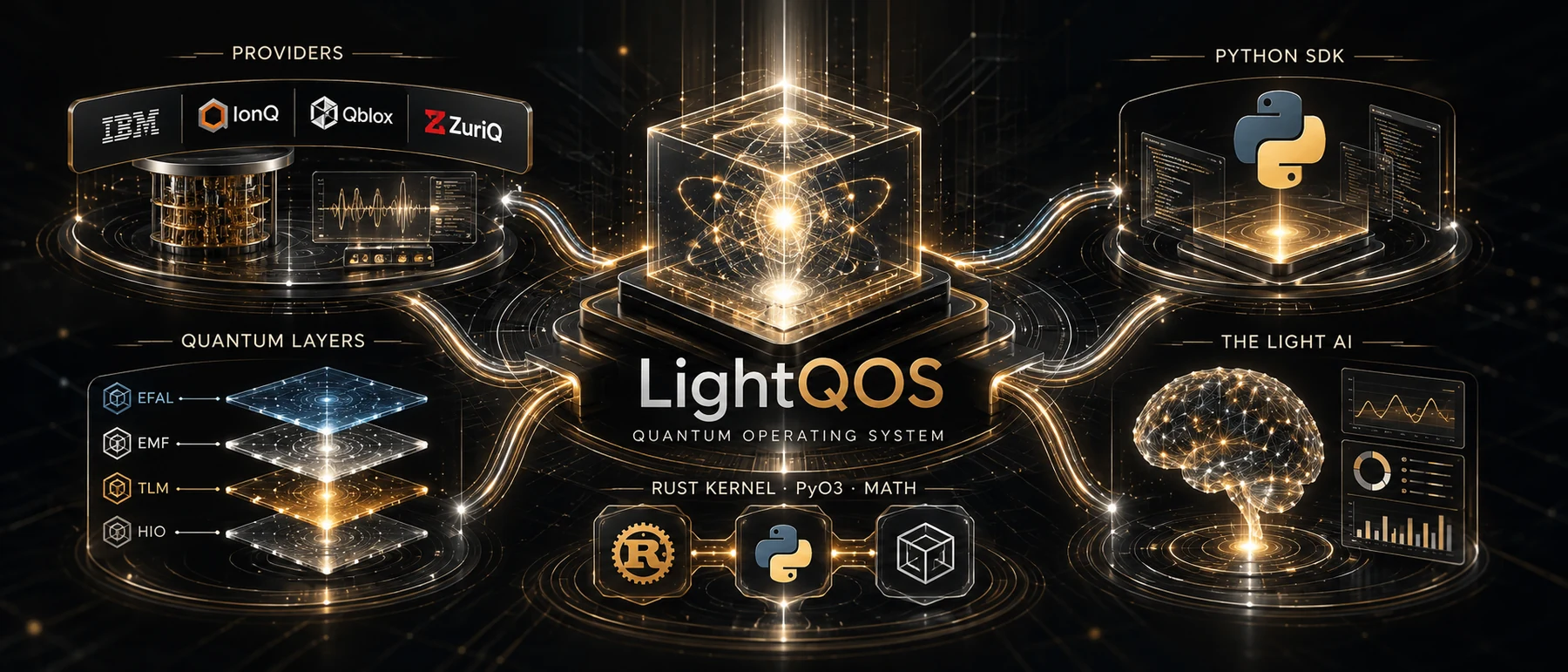
Ether Field Abstraction Layer
Entangled Memory Fabric
Temporal Layer Manager
Holographic I/O
A photonic driver, real-time web dashboard, IBM Qiskit Runtime v2 integration and a public pre-trained The Light AI model are listed as future work, not completed features.
VISUAL MODULES
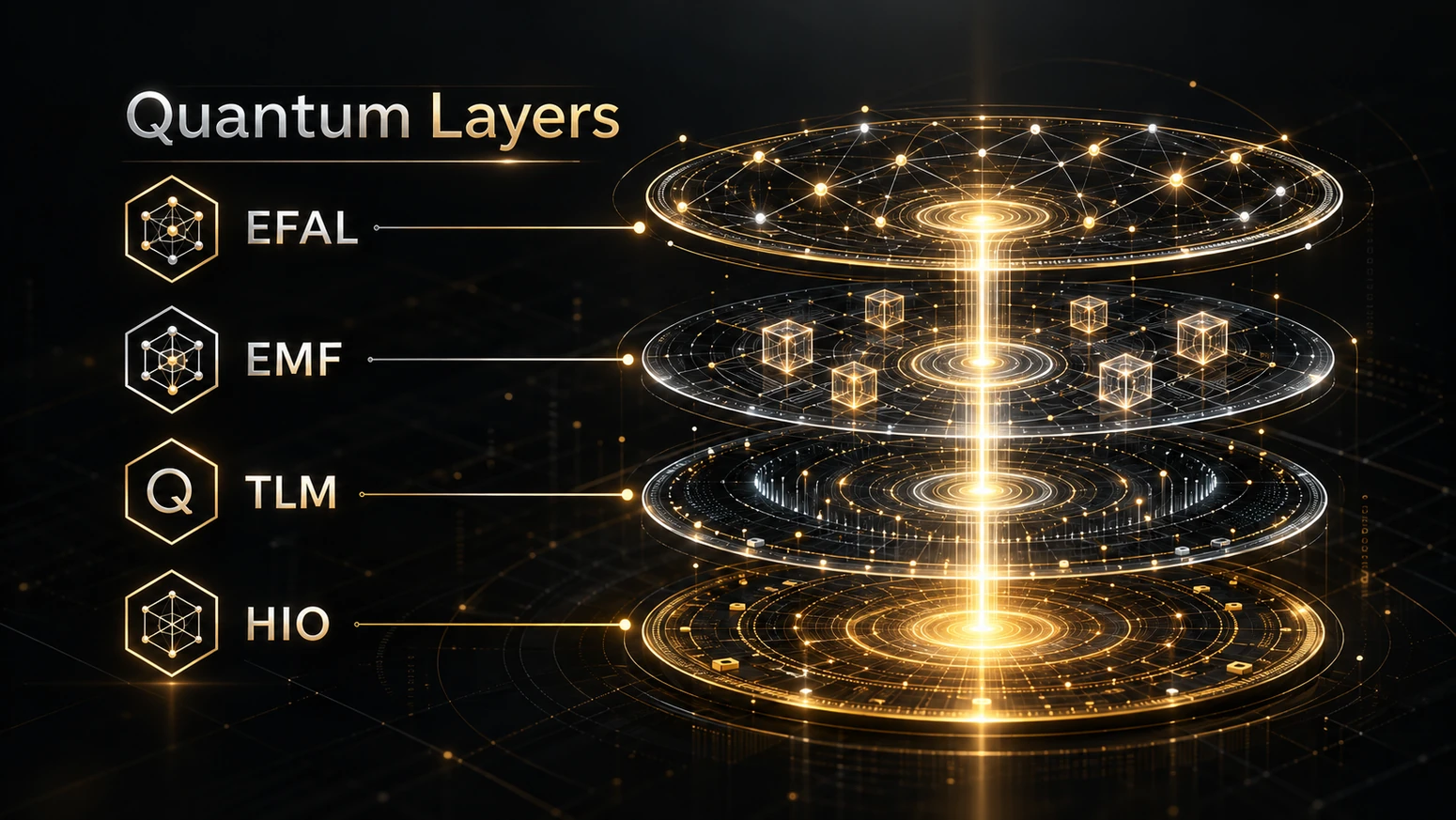
LightQOS conceptual core: field abstraction, entangled memory, temporal management and holographic I/O inside one unified architecture.
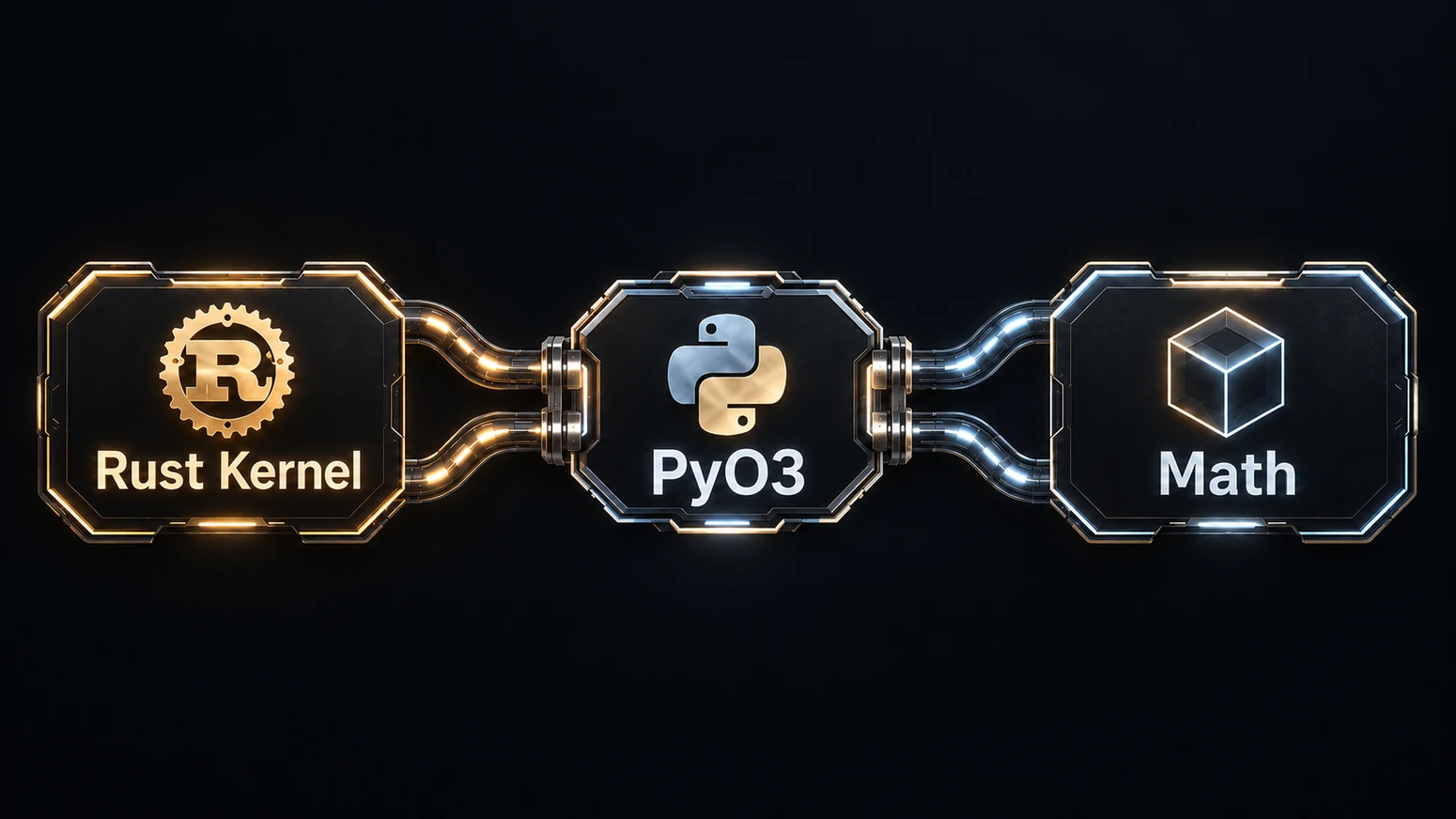
The Rust kernel, PyO3 bindings and math layer form the backbone for execution, performance and interoperability.

The Python layer exposes high-level APIs, experimental automation, rapid prototyping and integration with existing quantum ecosystems.
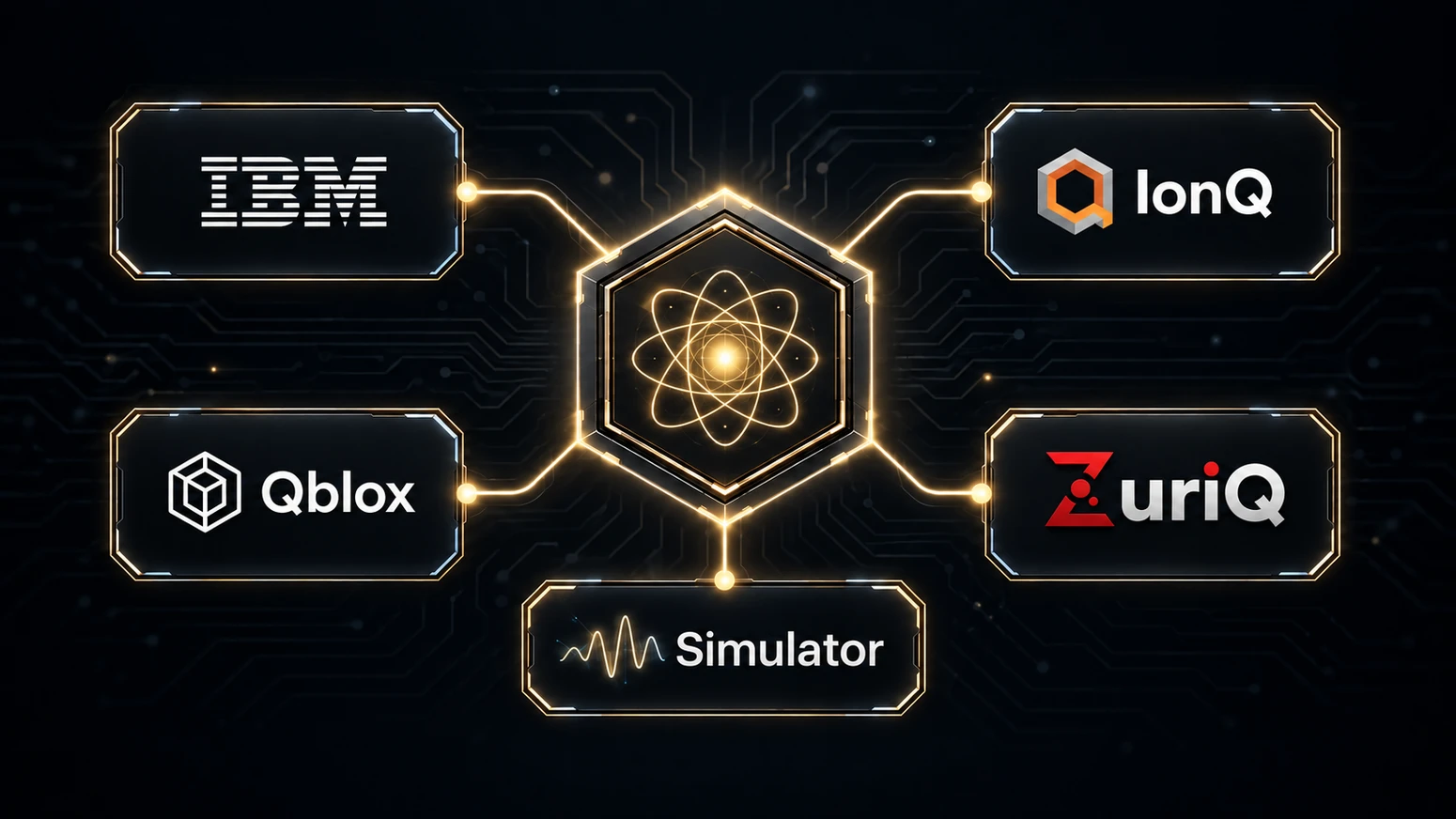
Multi-provider drivers and local simulation bridge the operating system to different quantum hardware platforms.
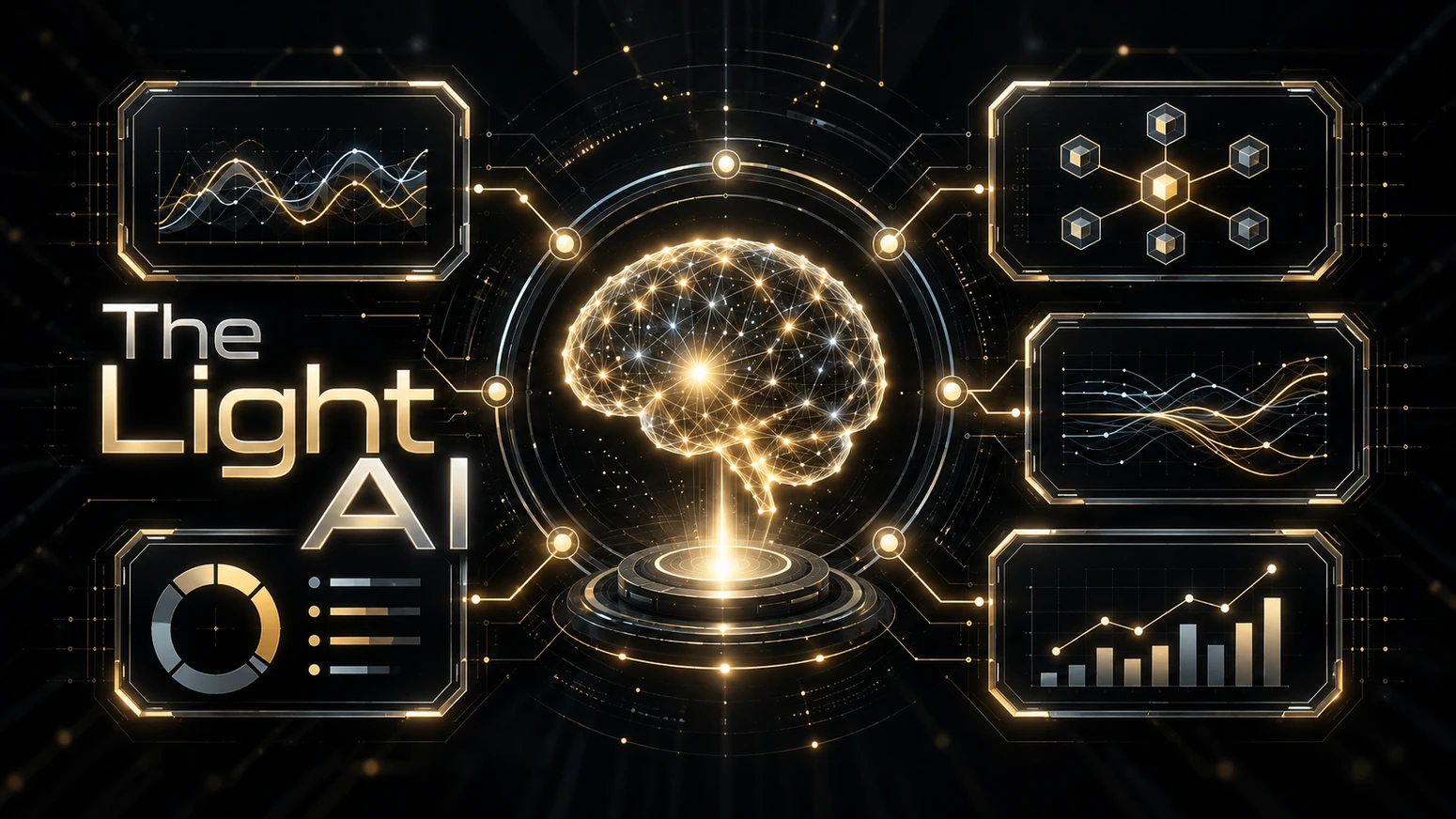
Cross-cutting AI engine for forecasting, optimisation, calibration and support for more adaptive hybrid workflows.
HARDWARE DATA
LightQOS can evolve to consume dynamic quantum-backend properties — coherence, errors, gate durations, topology and status — for scheduling and optimization decisions.
